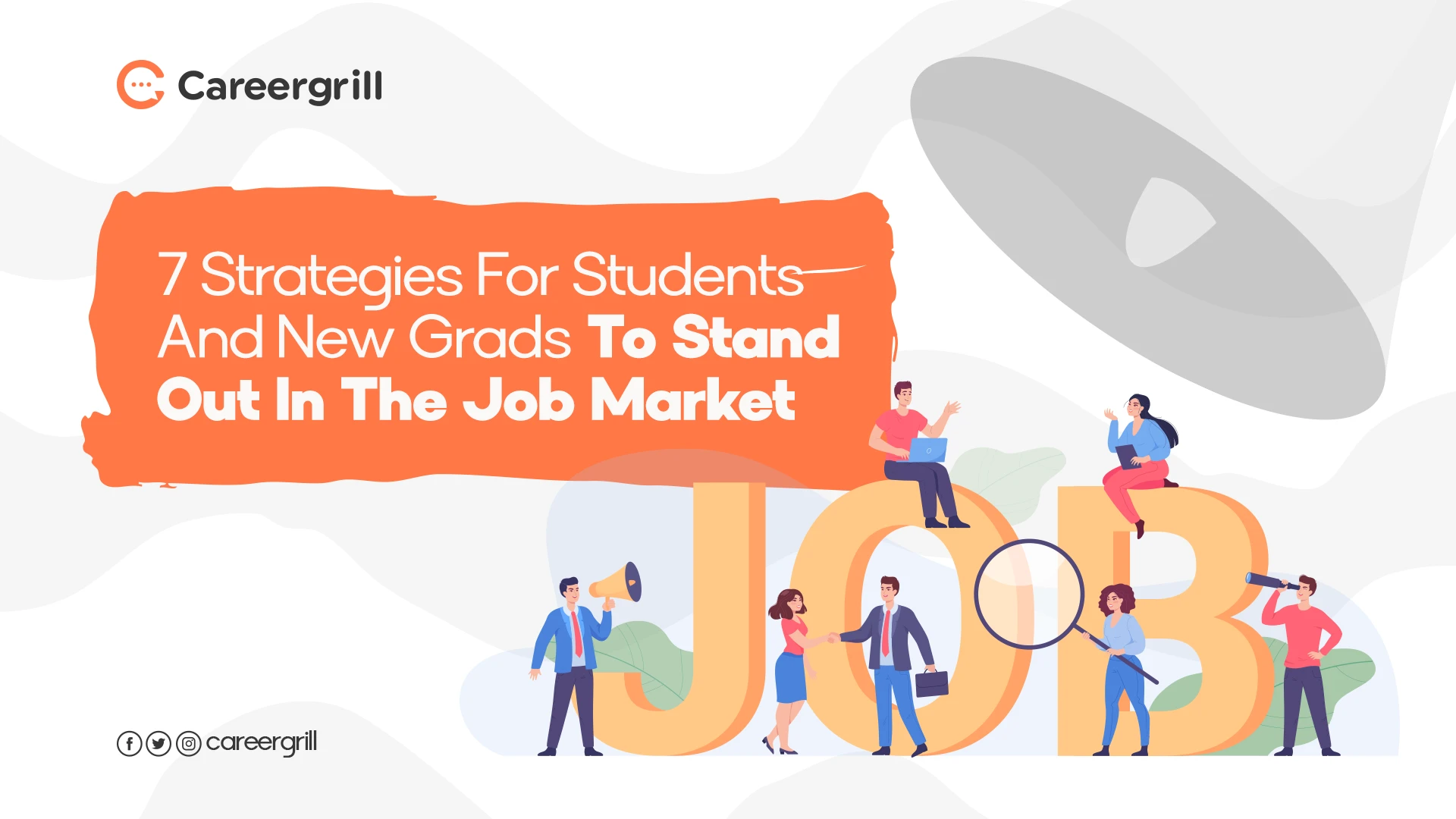
7 Strategies for Students and New Grads to Stand Out in the Job Market
Stepping into the job market as a student or recent graduate can feel overwhelming. You’ve spent years earning your degree, but now you’re competing against thousands of others with similar qualifications. It’s natural to wonder, “How can I possibly stand out?”
Employers aren’t just looking for degrees—they’re searching for candidates who bring something extra to the table. That “something” could be how you present yourself, the experiences you’ve gained, or the connections you’ve built.
The good news? You have the power to shape how employers see you. By adopting the right strategies, you can transform from just another applicant into the candidate they can’t ignore.
In this blog, we’ll explore seven proven strategies to help you stand out and confidently secure the roles you deserve. From building a strong personal brand to mastering the art of networking, these steps will position you for success.
Ready to rise above the competition? Let’s get started.
1. Develop a Strong Personal Brand – Be Memorable, Not Forgettable
In today’s digital age, your personal brand is often the first impression you make—and it can make or break your job search. Employers are no longer solely focused on what’s written on your CV; they want to see who you are, what you stand for, and how you can add value to their organisation. Crafting a strong personal brand helps you control that narrative and ensures you leave a lasting impression.
Optimise Your Online Presence
Start with LinkedIn—the world’s largest professional network. But don’t just create a profile and forget about it. Make it work for you.
- Use a professional photo (no party selfies here).
- Craft a compelling headline that goes beyond just your job title. For example, “Aspiring Marketing Specialist | Passionate About Driving Brand Growth Through Digital Strategies.”
- Highlight your achievements, not just responsibilities. Did you help organise a successful campus event or lead a volunteer project? Let it shine!
Engage actively. Share industry articles, comment on posts, and connect with professionals in your field. This shows recruiters that you’re informed, proactive, and genuinely interested in your industry.
Create a Personal Website or Portfolio
Why not go a step further and build a personal website? Platforms like Wix or WordPress make it easy and affordable.
Use it to:
- Showcase your projects, designs, or articles.
- Share testimonials from lecturers, internship supervisors, or volunteer coordinators.
- Write blog posts about industry trends to demonstrate thought leadership.
Example: Imagine you're a computer science graduate in Kenya. A simple website where you share your coding projects or app ideas can set you apart from hundreds of applicants with the same degree but no visible proof of their work.
Your personal brand is your chance to tell employers, “Here’s why I’m the right fit for your company.” Make it unforgettable.
Related Article: How To Optimize Your LinkedIn Profile: 7 Tips To Boost Your Career
2. Gain Practical Experience – Turn Knowledge into Action
A degree shows you’ve mastered theory, but practical experience proves you can apply it. Employers want to see how you’ve turned classroom knowledge into real-world results. Gaining hands-on experience not only strengthens your CV but also builds the confidence and skills employers are actively seeking.
Internships and Externships: Your Launchpad to Success
Internships and externships offer a gateway to real workplace environments. They give you the chance to apply your knowledge, learn industry-specific tools, and understand workplace dynamics.
- Start small if necessary. Can’t land a big corporate internship? No problem. Local businesses, startups, or NGOs often welcome eager learners.
- Be proactive. Don’t just wait for opportunities to appear—reach out directly to companies you're interested in.
Example: A business student in Lagos might intern with a local startup, learning everything from marketing to client relations. That hands-on experience can be even more valuable than a formal corporate internship because it often involves wearing multiple hats.
Many employers hire from their pool of interns, so treat every internship like a long-term interview.
Volunteer Work: Show Passion and Initiative
Volunteering isn’t just about giving back—it’s also a brilliant way to develop professional skills and expand your network.
- Choose volunteer roles that align with your career goals.
- Take leadership roles where possible to build transferable skills.
Example: A public health graduate volunteering with a community health organisation in Ghana could gain experience in outreach, event planning, and data collection—key skills that strengthen their resume.
Volunteer work demonstrates commitment, adaptability, and a willingness to take initiative—qualities every employer values.
3. Enhance Soft Skills – Master the Skills That Set You Apart
While technical skills and qualifications are important, employers place significant value on soft skills—those interpersonal abilities that shape how you work with others and solve problems. For students and recent graduates, strong soft skills can be the deciding factor between blending in and standing out.
Sharpen Your Communication Skills
Clear and effective communication is critical in any role. Whether you're presenting ideas, collaborating with a team, or writing emails, your ability to express yourself professionally can leave a lasting impression.
- Practice public speaking. Join organisations like Toastmasters or participate in debate clubs to build confidence.
- Refine your writing. Start a blog, write articles on LinkedIn, or contribute to university publications to improve how you convey ideas in writing.
- Listen actively. Communication isn’t just about talking—it’s about understanding. Practise listening carefully during group projects or discussions.
Example: A mass communication graduate in Abuja could join a public speaking club to develop presentation skills, making them more competitive for media or PR roles.
Develop Adaptability and Problem-Solving Abilities
Today’s job market is fast-paced and constantly evolving. Employers want people who can think critically, solve problems, and adapt to change.
- Take on challenging roles. Volunteer to lead projects or solve problems during internships.
- Engage in problem-solving activities. Participate in hackathons, case competitions, or strategy games to develop analytical thinking.
Example: An engineering student in Nairobi could join a robotics competition, tackling design challenges that require creative solutions—a practical way to demonstrate problem-solving skills.
Investing in soft skills is a powerful move. These abilities make you not only employable but indispensable.
4. Pursue Relevant Certifications – Prove Your Expertise and Commitment
In a competitive job market, having a degree is often just the starting point. Employers are looking for candidates who go the extra mile to deepen their knowledge and stay updated with industry trends. Pursuing relevant certifications shows that you’re proactive, dedicated to your professional growth, and serious about standing out.
Gain Industry-Specific Certifications
Certifications are a great way to showcase specialised skills that employers value. They offer proof that you have the technical know-how to perform in your chosen field.
- Identify in-demand certifications in your industry. For tech roles, certifications like Google IT Support or AWS Cloud Practitioner are valuable. For marketing, courses in SEO or Google Analytics can make a big difference.
- Utilise affordable or free learning platforms like Coursera, LinkedIn Learning, or Alison to gain these certifications.
Example: A digital marketing graduate in Accra who earns certifications in Google Ads and SEO will stand out compared to others with only a marketing degree.
Commit to Lifelong Learning
Industries evolve quickly. Employers want professionals who continuously upgrade their skills to stay relevant.
- Attend industry webinars, workshops, and conferences to stay informed about the latest developments.
- Subscribe to industry newsletters and blogs to stay ahead of trends.
Example: A finance graduate in Lagos attending free webinars on cryptocurrency and blockchain technology demonstrates a forward-thinking approach that appeals to modern employers.
5. Network Strategically – Build Connections That Open Doors
They say, “Your network is your net worth,” and in the job market, this couldn’t be more true. Many job opportunities aren’t even advertised—they’re shared within professional circles. For students and new graduates, building a strategic network can be the game-changer that leads to job offers, mentorship, and invaluable industry insights.
Join Professional Associations
Industry-specific associations offer a platform to meet professionals, stay updated on industry trends, and discover job openings.
- Identify relevant organisations. For aspiring engineers, joining the Nigerian Society of Engineers (NSE) or the Ghana Institution of Engineering (GhIE) can provide access to exclusive events and job boards.
- Attend networking events and seminars. Whether virtual or in-person, these events are goldmines for meeting professionals and learning from industry leaders.
- Volunteer within associations. Taking up roles in committees or event planning increases visibility and shows initiative.
Example: A law graduate in Nairobi joining the Law Society of Kenya gains access to mentorship opportunities, legal workshops, and exclusive job postings.
Leverage Alumni Networks
Your university’s alumni network is an underutilised goldmine of connections.
- Reach out to alumni working in companies or industries you’re interested in. Start with a friendly introduction on LinkedIn or through alumni platforms.
- Attend alumni events and webinars. These gatherings are designed to help you connect with professionals who understand your background and can offer career guidance.
Example: A graduate from the University of Lagos connecting with an alumnus working at a top consulting firm could gain insights into the application process or even a referral.
Engage on LinkedIn
LinkedIn isn’t just a digital CV—it’s a dynamic networking platform.
- Connect with industry professionals, recruiters, and thought leaders in your field.
- Share insightful posts, comment on industry updates, and engage in meaningful conversations to build your presence.
Example: A tech graduate in Kigali regularly sharing coding projects and commenting on AI trends could attract attention from recruiters in tech startups.
Building a strategic network is about forming genuine relationships—not just collecting business cards. Be proactive, authentic, and intentional in growing your professional connections.
6. Tailor Applications to Each Role – Make Every Application Count
One of the biggest mistakes job seekers make is sending out the same generic CV and cover letter to every employer. In a competitive job market, a personalised application shows employers that you’ve done your homework and are genuinely interested in their organisation. Tailoring your application to fit each role can be the difference between getting noticed and getting ignored.
Customise Your CV and Cover Letter
Employers can spot a generic application from a mile away. Show them you’re the perfect fit by highlighting the skills and experiences that match their needs.
- Mirror the job description. Identify key skills and qualifications in the job advert and weave them naturally into your CV and cover letter.
- Highlight relevant experiences. Focus on past roles, projects, or coursework that directly relate to the position.
- Use powerful action verbs. Words like led, designed, implemented, and achieved make your contributions stand out.
Example: If you’re applying for a social media role at a fashion brand, highlight your experience managing Instagram campaigns for a university event or small business, rather than general marketing skills.
Research Employers Thoroughly
Understanding a company’s culture, values, and goals allows you to align your application with what they’re looking for.
- Visit their website and explore their mission, recent projects, and company culture.
- Follow them on social media to stay updated on their latest news and initiatives.
- Mention specifics in your application. Subtly referencing a company’s recent achievement or initiative in your cover letter shows genuine interest.
Example: When applying to a sustainability-focused company in Nairobi, you could mention their recent green initiative and how your environmental science project aligns with their mission.
A tailored application says, “I want this job with your company,” not just “I need a job.” Employers appreciate candidates who take the time to make that clear.
Related Article: How to Analyze Job Descriptions and Tailor Your CV
7. Prepare Thoroughly for Interviews – Show Up Ready to Impress
Securing an interview is a major win, but it’s only half the battle. The real challenge is convincing the employer that you’re the best candidate for the role. Preparation is key. Walking into an interview confidently and well-prepared can set you apart from other applicants and leave a lasting impression.
Practise with Mock Interviews
Interviews can be nerve-wracking, but practice makes perfect. Mock interviews help you refine your responses and boost your confidence.
- Anticipate common interview questions. Prepare for questions like “Tell me about yourself” or “Describe a time you faced a challenge and how you handled it.”
- Use the STAR method (Situation, Task, Action, Result) to structure your answers and provide clear, concise responses.
- Seek feedback. Practise with friends, mentors, or use online interview platforms to identify areas for improvement.
Example: A recent graduate preparing for a customer service role could practise answering behavioural questions with a mentor, refining their responses to highlight problem-solving and communication skills.
Perfect Your Portfolio Presentation
For roles that require practical skills—like design, writing, marketing, or tech—your portfolio speaks louder than words. Be ready to showcase your work and explain your creative process.
- Organise your best work. Choose projects that align with the role you’re applying for.
- Explain the impact. Don’t just show what you did—explain the problem you solved and the results you achieved.
- Bring both digital and printed versions if applicable, and make sure your portfolio is easy to navigate.
Example: A graphic design graduate in Accra interviewing at a media agency could present social media campaigns they designed for local businesses, explaining how their work increased engagement and brand visibility.
Research and Prepare Questions
Interviews are a two-way street. Asking insightful questions shows you’re engaged and serious about the role.
- Prepare thoughtful questions about the company’s goals, challenges, or culture.
- Avoid generic questions—instead, focus on specifics that show you’ve done your research.
Example: Instead of asking, “What does a typical day look like?” ask, “How does this role contribute to the company’s expansion plans for next year?”
Interview preparation isn’t just about answering questions—it’s about telling your story confidently and showing employers why you’re the right fit.
Conclusion: Take Charge of Your Career Journey
Breaking into the job market as a student or recent graduate can be challenging, but it’s far from impossible. The key is to be intentional and proactive in how you present yourself and pursue opportunities.
By developing a strong personal brand, gaining practical experience, and honing essential soft skills, you set yourself apart from the competition. Adding relevant certifications, strategic networking, and crafting tailored applications further strengthens your position. Finally, by preparing thoroughly for interviews, you can confidently showcase your value and land your dream role.
Remember, standing out isn’t about luck—it’s about strategy. Every action you take now builds the foundation for your future success. Start today. Polish your LinkedIn profile, register for that certification course, or reach out to a professional in your field.
Your dream job won’t come knocking; you have to go out and claim it.
Need more support on your job search journey? Check out our other resources on CV writing, interview preparation, and exclusive job opportunities tailored for students and new graduates.
Ready to Take the Next Step?
Explore our services to accelerate your journey.