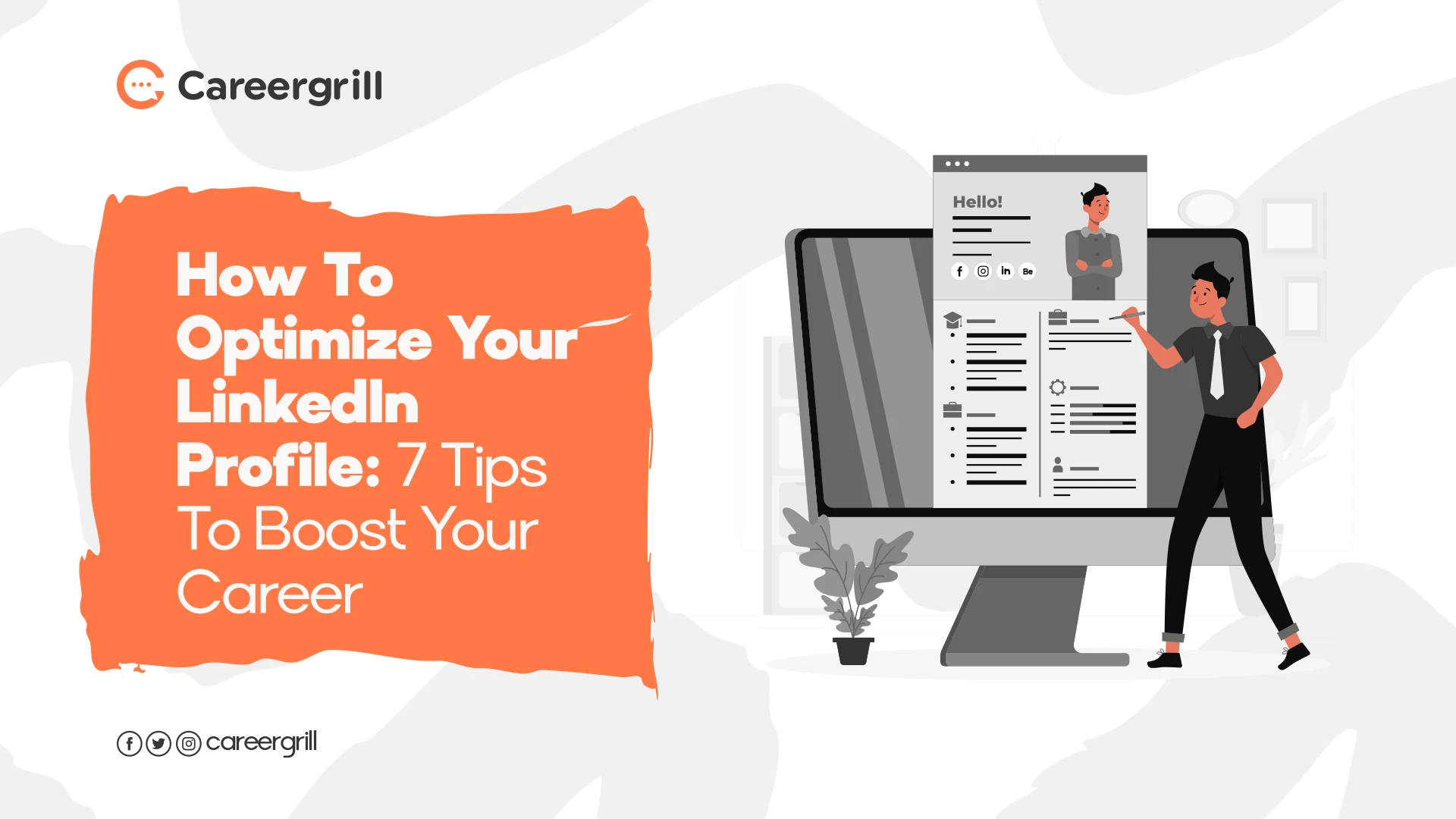
How To Optimize Your LinkedIn Profile: 7 Tips To Boost Your Career
When was the last time you gave your LinkedIn profile a proper update? If your answer is “I can’t remember,” you’re not alone. Most job seekers underestimate just how powerful LinkedIn can be for their career. But here’s the catch: while you’re neglecting your profile, recruiters and hiring managers are actively searching for candidates with your skills and experience.
A subpar LinkedIn profile is like showing up to a networking event in pyjamas. It sends the wrong message. On the flip side, an optimised profile can do the heavy lifting for you, attracting recruiters, expanding your network, and even landing you interviews.
This blog is here to change the game for you. We’ll walk you through seven practical tips to transform your LinkedIn profile into a professional magnet. From customising your URL to leveraging multimedia content, every step is designed to help you stand out in a sea of profiles.
So, whether you’re a fresh graduate, a mid-level professional, or simply someone ready for the next big move, it’s time to take control of your digital presence.
1. Personalise Your LinkedIn URL
First impressions matter, even online. Your LinkedIn URL is often one of the first things people notice when you share your profile, and a messy string of random numbers and letters isn’t doing you any favours. Luckily, LinkedIn allows you to customise your URL, and this small tweak can have a big impact on how professional and memorable your profile appears.
Instead of sticking with the default URL—something like linkedin.com/in/user-12345—change it to reflect your name or personal brand. For instance, linkedin.com/in/JohnDoe looks cleaner, is easier to remember, and makes you more discoverable in searches.
How to Customise Your URL
- Log in to your LinkedIn account.
- Go to your profile and click the “Edit public profile & URL” button in the top right.
- Click the pencil icon next to your current URL and replace it with your name or a relevant keyword.
This is particularly useful if your name is common—add a unique element, such as your profession (/JohnDoeHR) or location (/JohnDoeLagos).
Why This Matters
A personalised URL doesn’t just make your profile look professional; it boosts your chances of being found by recruiters and hiring managers. If you’re sharing your LinkedIn profile on your CV, email signature, or business card, it’s a chance to make a strong first impression before anyone even clicks the link.
Take control of your online identity—your LinkedIn URL is a great place to start.
2. Leverage the Featured Section
Think of the ‘Featured’ section on LinkedIn as your professional highlight reel. It’s your opportunity to put your best work front and centre, showing recruiters and potential connections exactly what you bring to the table. Unlike other sections of your profile, the ‘Featured’ section allows you to showcase tangible proof of your skills and accomplishments in a visually engaging way.
What Should You Showcase?
Use this space to highlight content that reinforces your expertise and aligns with your career goals. This could include:
- Articles you’ve written or been featured in.
- Presentations or slides from a webinar or workshop.
- Reports or projects you’ve led.
- Testimonials or recognition for outstanding work.
For example, if you’re a graphic designer, you might feature a portfolio of your best designs. If you’re a consultant, you could showcase a case study detailing how you solved a complex business problem for a client.
How to Add Content to the Featured Section
- Go to your profile and scroll down to the ‘Featured’ section.
- Click the “+” button and choose what you want to add—links, media, or documents.
- Arrange your featured items to prioritise the most relevant or impressive pieces.
Why This Works
The ‘Featured’ section doesn’t just make your profile visually appealing—it gives recruiters concrete examples of your abilities. This can be especially impactful in industries where your output speaks louder than words, such as tech, media, or creative roles.
A polished ‘Featured’ section can make you memorable and build trust before a recruiter even reaches out. Use it to set yourself apart from the crowd.
3. Engage with Multimedia Content
Static text alone can’t fully capture your skills and personality. That’s where multimedia content comes in—it breathes life into your LinkedIn profile and keeps visitors engaged. By incorporating videos, presentations, and other media, you can make your profile more dynamic and compelling.
What Types of Multimedia Should You Add?
- Videos: Short clips of you speaking at a conference, leading a workshop, or explaining a complex idea. For example, a 2-minute highlight reel of a seminar you facilitated.
- Presentations: Slide decks from webinars, business pitches, or training sessions.
- Images: High-quality photos of projects, events, or awards you’ve received.
How to Add Multimedia to Your Profile
- Go to the ‘Experience’ or ‘About’ section of your profile.
- Click the pencil icon to edit, and use the “Add media” option to upload your file or paste a link.
- Ensure the content is professional, relevant, and adds value to your narrative.
Why It’s Important
Multimedia content grabs attention and creates a lasting impression. It also demonstrates soft skills like communication and creativity, which are hard to capture in text.
For example, imagine you’re a Nigerian business trainer. Including a short video of you leading a corporate session in Lagos instantly shows potential clients or employers your expertise and presentation skills.
Multimedia makes your profile interactive and memorable. Use it to tell your story in a way words simply can’t.
4. Solicit Detailed Recommendations
Imagine a recruiter scrolling through your LinkedIn profile and seeing glowing testimonials about your skills, professionalism, and impact. That’s the power of detailed recommendations—they act as social proof, validating your expertise and making you stand out.
How to Get Quality Recommendations
A generic “They were great to work with” won’t cut it. Here’s how to ensure you receive meaningful, specific endorsements:
- Identify the Right People: Reach out to colleagues, clients, managers, or mentors who can speak to your skills and achievements.
- Make it Easy: When requesting a recommendation, provide context. For example, remind them of a specific project you worked on together or an accomplishment you’re proud of.
- Example message:
"Hi [Name], I’m working on updating my LinkedIn profile and thought of the [Project/Task] we collaborated on. It would mean a lot if you could share a recommendation highlighting my [specific skill or contribution]."
- Example message:
- Be Reciprocal: Offer to write them a recommendation in return—it’s a win-win.
Why Detailed Recommendations Matter
Recommendations go beyond listing skills—they paint a vivid picture of your work ethic, problem-solving abilities, and impact. For instance, a Nairobi-based marketing specialist who receives a recommendation from a satisfied client detailing how their strategy increased sales by 25% immediately becomes more credible.
Pro Tip: Focus on Variety
Solicit recommendations that reflect different aspects of your expertise. For example, one could highlight your leadership on a project, while another emphasises your collaboration skills.
Detailed recommendations build trust and make your profile stand out in a recruiter’s search. Don’t be shy—ask for them!
5. Participate in LinkedIn Groups
LinkedIn Groups are a goldmine for networking, industry insights, and boosting your visibility. They allow you to connect with professionals who share your interests and showcase your expertise in discussions that matter.
How to Find and Join Relevant Groups
- Search for Industry-Specific Groups: Use LinkedIn’s search bar to find groups related to your field, such as “Nigerian Tech Innovators” or “Africa Marketing Professionals.”
- Evaluate Group Activity: Before joining, check if the group is active and filled with meaningful discussions. Avoid groups where spam dominates.
- Send a Request: Once you find a group, send a join request and start engaging!
How to Actively Participate
- Share Your Insights: Post thoughtful comments on discussions, share relevant articles, or start your own conversation about industry trends.
- Answer Questions: Use your expertise to help others in the group. For instance, if you’re an HR professional, answer questions about hiring strategies.
- Build Relationships: Connect with group members who share your interests, and move meaningful conversations to one-on-one messages.
Why Groups Are Powerful
Being active in LinkedIn Groups does more than just expand your network—it positions you as a thought leader. For example, a Lagos-based software developer participating in a “Java Developers in Africa” group might gain visibility with potential employers or collaborators by consistently sharing coding tips or project ideas.
Pro Tip: Don’t Overdo It
Focus on a few relevant groups where you can genuinely contribute. Quality engagement always trumps quantity.
LinkedIn Groups are like professional communities—show up, engage, and watch your network and opportunities grow.
6. Optimise for Search Engines
Your LinkedIn profile isn’t just for people—it’s also for search engines. By strategically using keywords, you can make your profile easier to find, both on LinkedIn and through external searches on platforms like Google. This means more visibility to recruiters and potential connections.
Where to Use Keywords
- Headline: Your headline is prime real estate for keywords. Instead of just “Accountant,” try something like “Certified Accountant | Financial Analyst | Taxation Specialist in Kigali.”
- About Section: Weave relevant keywords naturally into your summary. Focus on skills, certifications, and areas of expertise. For example: “Experienced marketer skilled in digital strategy, content creation, and brand storytelling.”
- Experience Section: Highlight your achievements using industry-specific terms. For instance, a software developer might mention “Java programming,” “Agile methodologies,” or “UI/UX design.”
How to Find the Right Keywords
- Study Job Descriptions: Look at listings for roles you’re interested in and note recurring terms.
- Use LinkedIn Search: Type skills or roles into LinkedIn’s search bar and see what auto-suggestions come up.
- Think About Recruiter Searches: Consider what terms someone might type in when looking for someone with your background.
Why This Matters
By optimising for keywords, you increase the chances of your profile showing up in recruiter searches. For example, a project manager in Abuja who uses phrases like “PMP-certified,” “process improvement,” and “team leadership” will likely attract more views than someone without these terms.
Pro Tip: Keep It Natural
Avoid keyword stuffing—it makes your profile look robotic and unprofessional. Instead, integrate keywords naturally into your content.
Optimising your profile for search engines is like creating a beacon that signals your expertise to the right audience. Make it easy for them to find you.
7. Regularly Update Your Status
Your LinkedIn profile isn’t a “set it and forget it” kind of tool. To keep your network engaged and your profile visible, you need to stay active. Regularly updating your status with relevant, insightful content signals that you’re professional, informed, and actively growing in your field.
What Should You Post?
- Industry News: Share articles about the latest trends or developments in your industry, adding your perspective. For example, a civil engineer in Abuja might share updates on new construction technologies shaping Africa.
- Personal Achievements: Post about milestones like certifications, awards, or successful project completions.
- Professional Insights: Write a short post sharing lessons learned from a recent task or challenge.
- Engaging Questions: Start discussions by posing thoughtful questions to your network. For instance, “What’s the most valuable skill you’ve developed in remote work?”
Why Regular Updates Work
Posting consistently keeps your profile active, making it more likely to appear in your connections’ feeds. It also helps establish your voice as a professional who stays current with industry trends.
Pro Tip: Timing and Frequency
- Aim to post at least once a week.
- Experiment with posting at times when your audience is likely to be active—typically during weekdays or mornings.
Example:
Imagine a teacher in Lagos sharing a post about integrating AI into their teaching methods, sparking a conversation among educators and catching the attention of school administrators. That’s the kind of visibility that regular updates can achieve.
Staying active on LinkedIn isn’t just about maintaining a presence—it’s about showing your network that you’re continuously learning, achieving, and growing. Keep your profile alive, and the opportunities will come to you.
Closing: Your LinkedIn Profile is Your Career Gateway
Your LinkedIn profile is more than just an online résumé—it’s your personal brand, your professional voice, and often, your first impression. By implementing these seven tips, you can transform it into a powerful tool that works for you, even when you’re not actively job hunting.
From personalising your URL to leveraging multimedia content, every step is designed to help you stand out in a crowded digital landscape. Regular updates and thoughtful engagement signal that you’re not just keeping up but actively thriving in your career.
Remember, small changes can have a big impact. So, start today—pick one tip and put it into action. Whether it’s adding a video, updating your headline, or joining a LinkedIn Group, you’ll be one step closer to building a profile that gets noticed, attracts opportunities, and propels your career forward.
If you found this guide helpful, don’t stop here. Check out our other resources for more tips on CV writing, job interviews, and personal branding. Your next big opportunity might just be a click away!
Ready to Take the Next Step?
Explore our services to accelerate your journey.